A clean vet practice is a safe vet practice. For pets and people.
We clean small-animal, large-animal, and equine veterinary practices across Scotland — biosecure protocols that handle zoonotic pathogens like MRSA, ringworm, and parvovirus. Theatre-level disinfection, kennel sanitation, and isolation zone integrity.
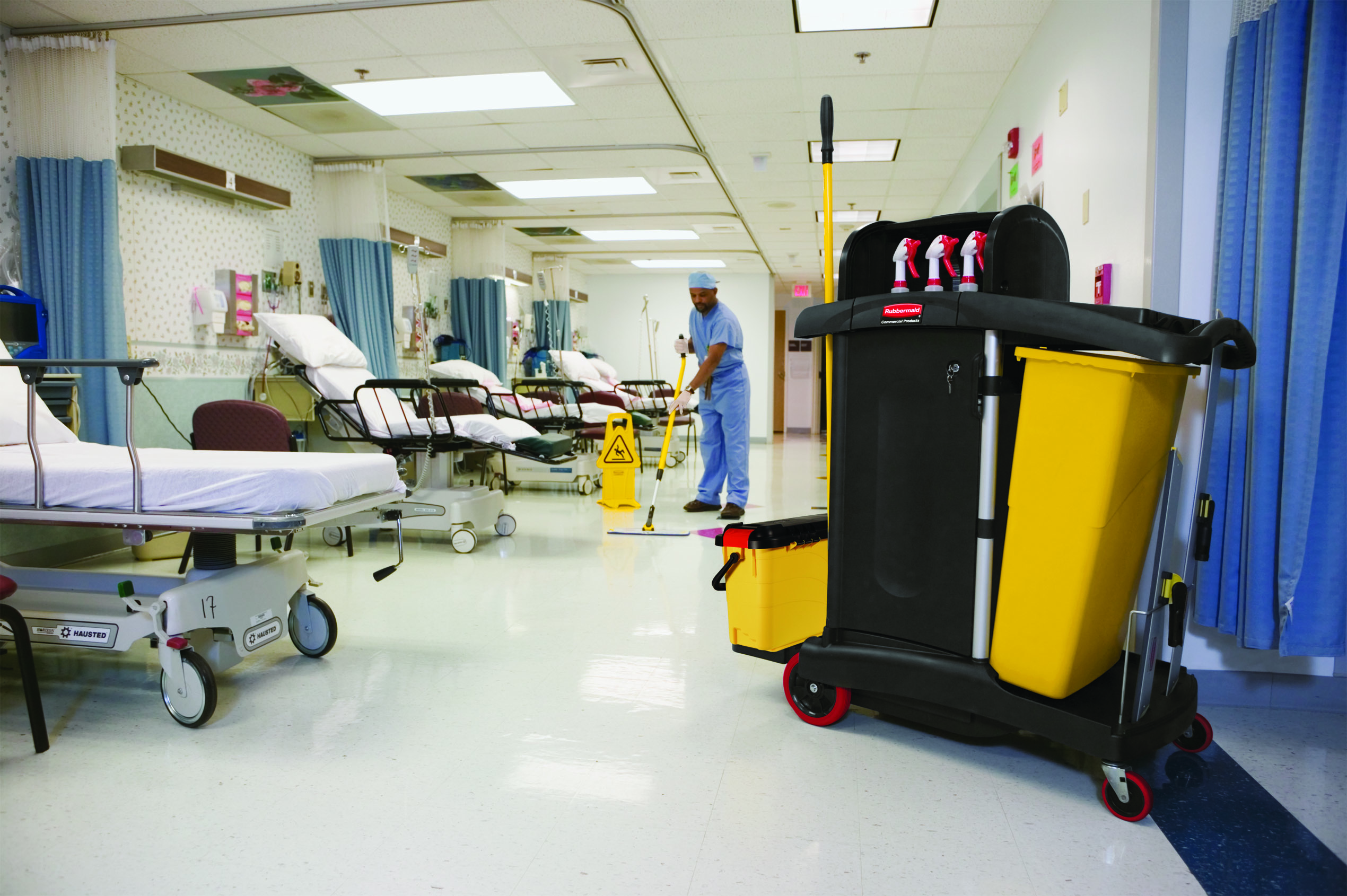
Not a generalist. Not a franchise template.
A genuine sector-led protocol delivered by crews who know your regulatory landscape, your audit rhythm, and the cost of getting it wrong.
Veterinary practices face a unique cleaning challenge: the patients are non-verbal, the pathogens are often zoonotic (transmissible between animals and humans), and the cleaning chemicals have to be effective against a different spectrum of microbes than human healthcare. Ringworm, parvovirus, panleukopenia, kennel cough, MRSA, and leptospirosis all require specific disinfectant chemistries — not just generic quaternary ammonium sprays.
Our veterinary division cleans small-animal clinics, mixed practices, equine hospitals, and university veterinary schools across Scotland. We follow a strict three-zone protocol: clinical zone (theatres, prep rooms, kennels) cleaned with veterinary-specific virucidal disinfectants; consult zone cleaned with patient-safe products; and isolation zone cleaned last, with dedicated equipment, full PPE, and a documented stand-down sequence. Colour-coded equipment prevents cross-contamination, and mop heads are replaced between every zone.
We understand the rhythm of a veterinary day: morning admissions, theatre lists, consults from late morning, inpatient care throughout, and emergency on-call overnight. Our crews work around that rhythm — early-morning start to ensure consult rooms are pristine before the first client, end-of-day theatre disinfection once the last surgery is closed. We coordinate with nursing staff on isolation cases and adapt protocols for high-risk pathogens like parvovirus or ringworm outbreaks.
The frameworks we work to.
Every protocol, every checklist, every audit trail — mapped to the standards your regulator expects to see.
Our cleaning schedules and audit format align to RCVS Practice Standards Scheme criteria for cleanliness and infection control.
Disinfectants selected for efficacy against parvovirus, panleukopenia, feline calicivirus, and other non-enveloped viruses resistant to standard quaternary ammonium compounds.
Every product carries a current COSHH datasheet. We use veterinary-safe chemistries that won't harm animals if residue remains on surfaces.
Isolation zone cleaning follows documented dirty-to-clean sequencing with dedicated equipment, PPE, and stand-down procedures signed off by the lead nurse.
We include water outlet flushing, temperature checks, and showerhead descaling in our scope — closing a common audit gap in veterinary practices with showers for animal washing.
Services we run for veterinary practices.
A scoped bundle of services tuned to your operating rhythm — not a generic menu bolted onto your sector.
Veterinary Practice Cleaning
Full veterinary practice cleaning including theatre, kennels, consult rooms, and reception areas.
Biohazard & Body Fluids Response
Blood, faeces, urine, and vomit response with veterinary-specific pathogen protocols and clinical waste disposal.
Disinfection Services
Whole-practice disinfection during outbreak response (parvovirus, ringworm, kennel cough) with documented stand-down.
Electrostatic Disinfection
Whole-practice electrostatic spraying for rapid high-touch disinfection in theatre and kennel areas.
Restroom Sanitation
Client and staff WCs descaled, disinfected, and re-stocked with audit-ready records on every visit.
Floor Care & VCT Stripping
Safety-floor machine scrubbing, kennel floor disinfection, and slip-resistance testing aligned to HSE SLIPS guidance.
The pain points you stop worrying about.
We've spent years inside veterinary practices operations. These are the issues we get called about most — and the protocols we've built to eliminate them.
Zoonotic pathogen control
MRSA, ringworm, leptospirosis, and other zoonotic pathogens require specific disinfectant chemistries. Generic quaternary ammonium isn't enough. We use veterinary-specific virucidal products with documented efficacy.
Parvovirus and ringworm outbreaks
A single parvovirus case can shut a kennel block for weeks. Our outbreak response team mobilises within 4 hours with dedicated equipment, full PPE, and a documented stand-down protocol signed off by the lead nurse.
Animal stress and noise sensitivity
Animals in kennels are stressed by noise, smells, and unfamiliar people. Our crews use quiet equipment, low-odour products, and respectful behaviour — no clattering buckets, no strong chemicals, no sudden movements.
Cleaning around consult lists
Veterinary schedules run on 10–20 minute consult intervals. Our crews work before the first client and after the last surgery — never during consult time unless it's an emergency.
Isolation zone integrity
The isolation ward has a strict dirty-to-clean workflow. Our crews are trained not to break that flow — isolation cleaning happens last, with separate equipment and a documented handwash protocol.
Tight practice margins
Independent vet practices operate on thin margins. Our frequency optimisation reviews typically deliver 8–12% cost-out without dropping any auditable task.
From first call to first clean in 7 days.
A structured mobilisation that respects your operational continuity — no gap in service, no surprises in scope.
Practice walk-through
Our regional manager walks the practice with the lead veterinary nurse or practice manager. We map zones, identify current biosecurity pain points, and discuss preferred visit times.
Biosecurity protocol design
We produce a written biosecurity cleaning protocol covering isolation, theatre, kennel, and consult zones — with veterinary-specific virucidal disinfectants pre-approved by your clinical team.
Crew induction & first clean
A PVG-checked, veterinary-trained crew is inducted, introduced to staff, and walked through the biosecurity protocol. The first clean is supervised end-to-end.
Quarterly review & audit
Your regional manager visits quarterly for a joint walk-through, a KPI review, and a forward-plan discussion. Annual RCVS inspection prep included.
The difference is operational.
We don't win contracts on price. We win them on the things that show up in your audit scores, your staff feedback, and your bottom line.
Biosecurity-trained crews
Every crew member completes a veterinary biosecurity module covering zoonotic pathogens, isolation protocols, and species-specific risks. PVG scheme membership throughout.
4-hour outbreak response
Parvovirus, ringworm, or kennel cough outbreaks trigger immediate response with dedicated equipment, full PPE, and a documented stand-down protocol.
Animal-sensitive operation
Quiet equipment, low-odour products, and respectful behaviour around inpatients. We coordinate with nursing staff before entering kennel or isolation areas.
Same crew, every visit
We assign a dedicated crew to your practice — they learn your building, your staff, and your animal patients. No rotating contractors who need re-briefing every week.
RCVS inspection-ready records
Every task is logged digitally with time-stamp and crew ID. RCVS inspectors can pull a full cleaning history for any zone in under 60 seconds.
Named regional manager
One phone number, one named contact. No call centres. Your regional manager knows your practice by name and visits quarterly.
Operators who'd recommend us.
"Maundy Clean's biosecurity protocol is the most thorough I've seen from a cleaning contractor. They understand parvovirus, they understand isolation, and they understand that a stressed cat doesn't need a noisy vacuum next to its cage. Exceptional."
"After a parvovirus case in our kennel block, Maundy Clean had a crew on site within 3 hours. Full PPE, dedicated equipment, stand-down protocol signed off by our lead nurse. We reopened on schedule. That's worth every penny."
"Equine work is harder to clean for — bigger animals, bigger messes, bigger spaces. Maundy Clean handles it without fuss. Same crew every week, same standards. Our last RCVS inspection was flawless on environment cleanliness."
27+ Scottish locations covered.
From city-centre flagships to remote Highland sites — we mobilise across Scotland with the same SLA and the same sector-trained crews.
Veterinary Practices — the questions we hear most.
Parvovirus is a non-enveloped virus resistant to quaternary ammonium compounds — it requires an oxidising disinfectant like potassium peroxymonosulfate (e.g., Virkon) or a specific aldehyde-based product. Ringworm requires a fungicidal disinfectant with documented sporicidal activity. We use veterinary-specific products with documented efficacy, pre-approved by your clinical team, and rotate chemistries to prevent resistance.
Related industries we serve.
Many of our clients operate across multiple sectors. The same protocols, the same crews, the same account manager — wherever your sites are.
Ready for a sector-led cleaning partner?
Book a free 60-minute site audit. We'll walk your veterinary practices operation, talk to your team, and deliver a written proposal with scoped tasks, frequency, and a fixed monthly fee — within 5 business days.